Yes, alcohol can impair how our liver metabolizes hormones. The liver prioritizes processing alcohol which diverts its resources from hormone regulation. Excessive drinking, can disrupt the balance of hormones like estrogen, testosterone and cortisol. This effect is especially relevant during perimenopause when hormone balance is already shifting.
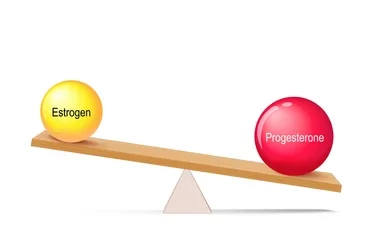
- Estrogen Stays Higher for Longer
- Alcohol slows down the liver’s ability to clear estrogen
- Result: higher circulating estrogen can worsen breast tenderness, heavy periods, bloating, hot flashes and mood swings
- Higher estrogen +alcohol is linked to increased breast cancer risk
- Progesterone Effects Weaken
- Alcohol interferes with the metabolism of progesterone, which is already dropping in perimenopause
- The result is less gaba activity in the the brain which leads to more anxiety, irritability and trouble sleeping
- Cortisol Gets a Boost
- Alcohol increases cortisol, also known as the the stress hormone, which is already harder to regulate during perimenopause
- The result is more anxiety, belly fat gain, and sleep disturbances
- Worsened Sleep and Mood
- Alcohol fragments sleep by reducing deep/REM sleep
- Combined with perimenopausal night sweats and insomnia, this magnifies fatigue, brain fog, depression and anxiety
- Liver Stress
- Perimenopause reduces estrogen’s protective effects on the liver
- When adding alcohol the result is a greater risk of fatty liver disease and impaired metabolism of natural hormones and hormone replacement therapy
Comments are closed